
Most houses sell ingots.
This one makes them.
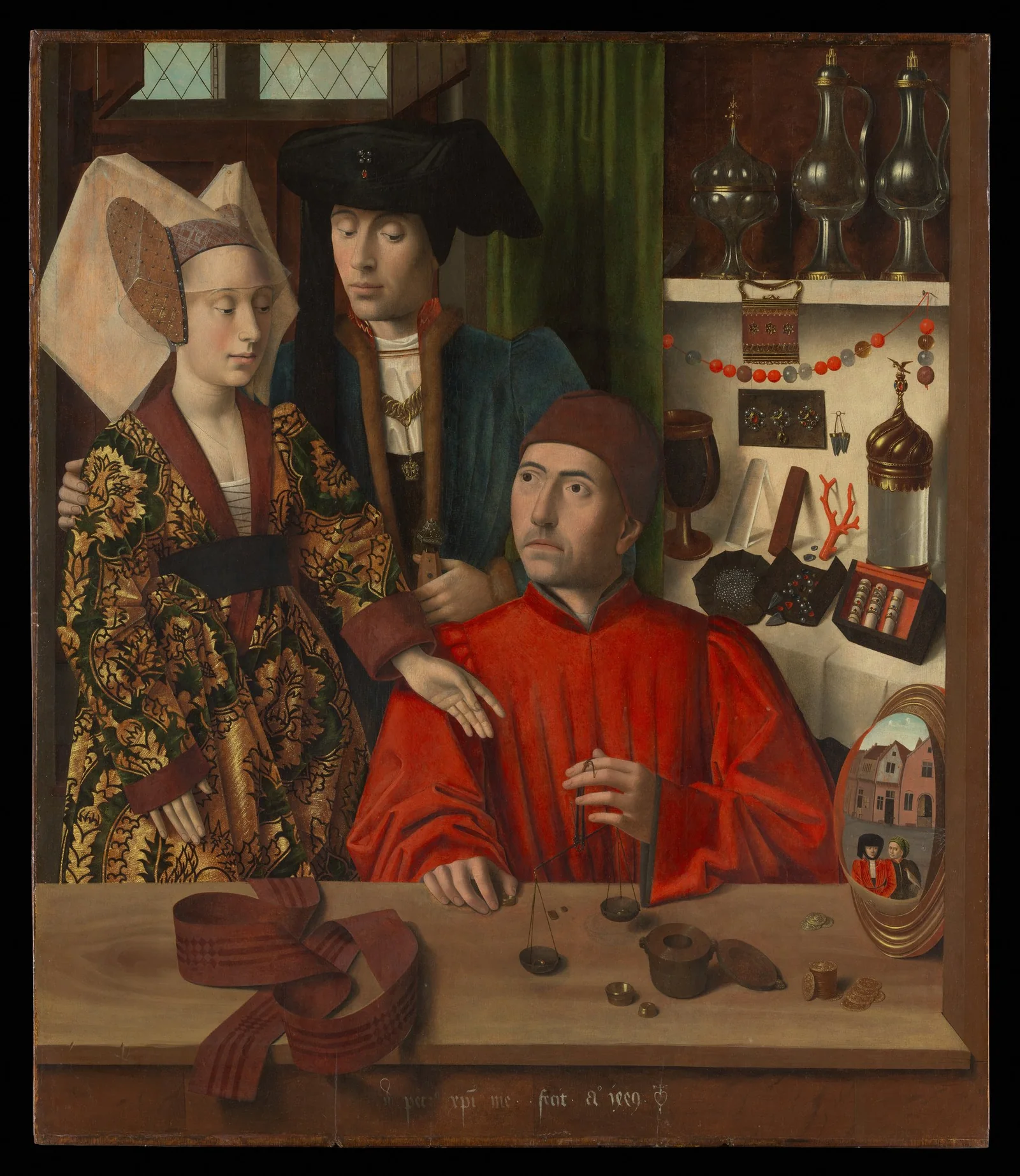
Weighing gold is a craft.
The scales, the weights, the rings: this gesture is five and a half centuries old. It is handed down, it is not improvised.
“A Goldsmith in His Shop”
Receiving, weighing, guaranteeing: the craft has not changed. The metal speaks, papers stay silent.
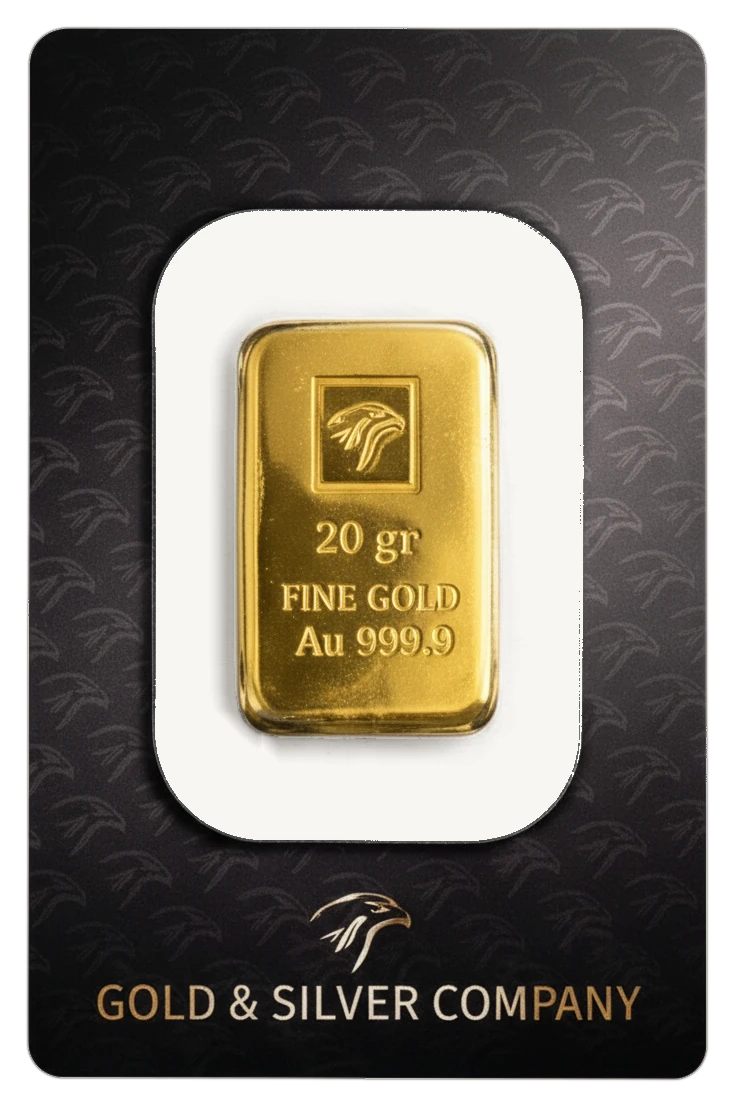
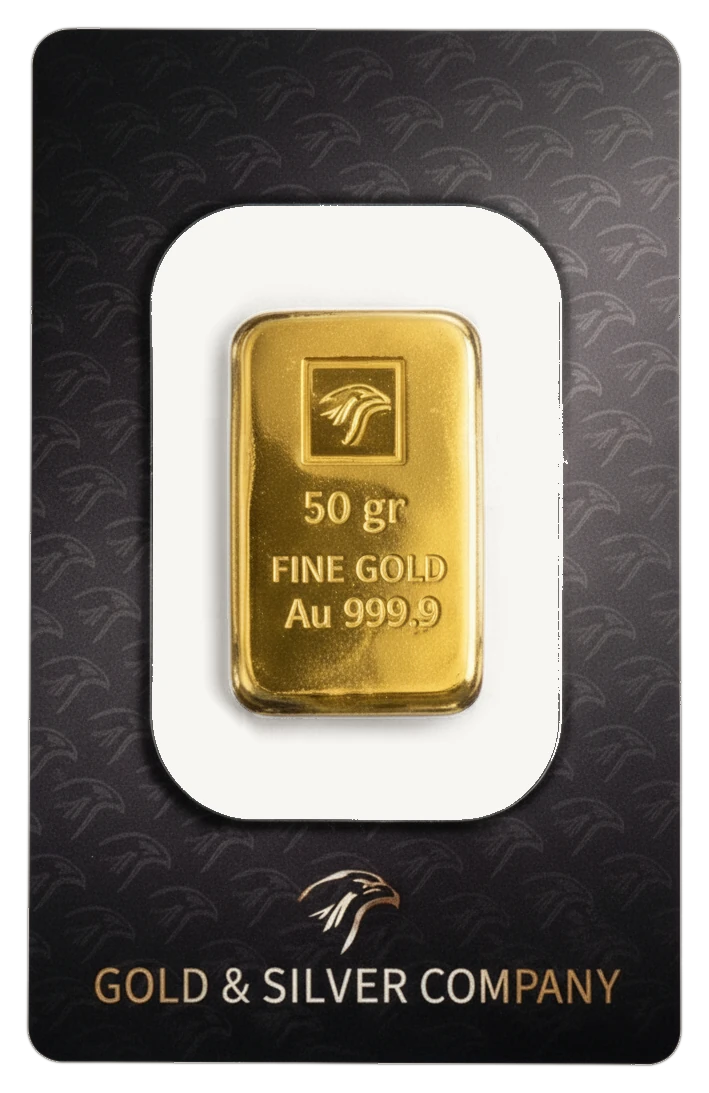
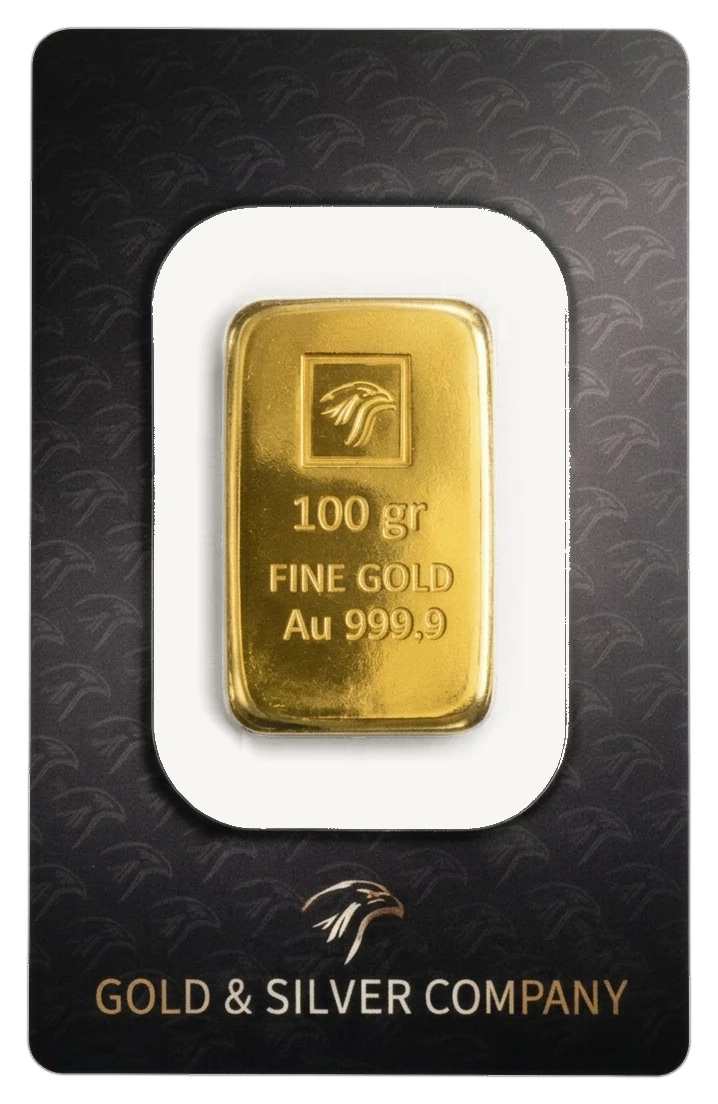
From 5 to 100 grams, in 999.9 fine gold from our own foundry. The real metal, assayed and certified, in your hands.
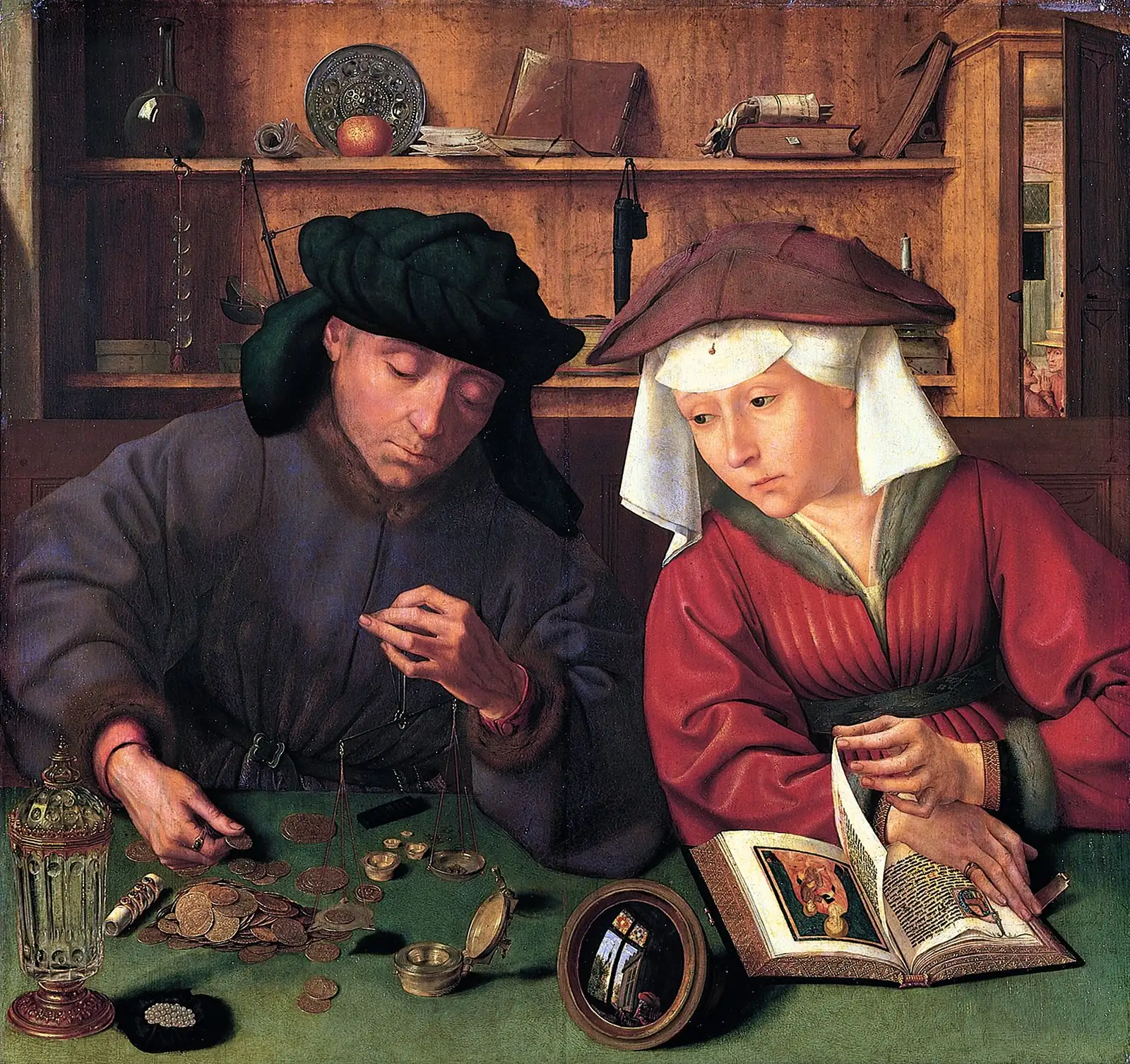
“The Moneylender and His Wife”
On the table: the scales, the weights, and the coins counted one by one.
At their quoted value, never at weight alone.
Date, mint, condition: two coins that are twins by weight are twins no longer at quotation. And nothing here is generated: this is the painting itself.
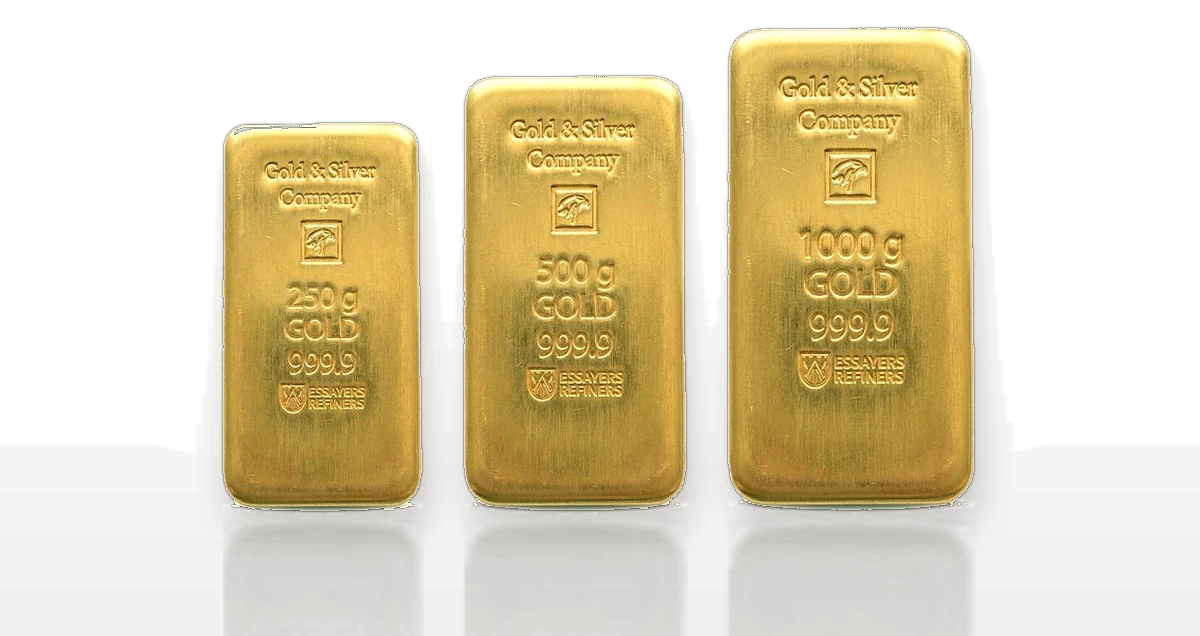
250, 500, 1000 grams.
Gold does not promise.
It proves itself.
Gold & Silver Company, an integrated Foundry-Refinery in Dottignies (Mouscron): the metal is analysed, melted, refined and minted there under one roof, under the approval of the Royal Mint of Belgium and the control of a state assayer. The price announced is the amount paid. Trust is not declared: it is documented.
You hold the real metal, not a promise.
Under the same roof in Dottignies (Mouscron), on the French-Belgian border, Gold & Silver Company analyses, melts, refines and shapes its own ingots, from 5 grams to the kilo, in fine gold assayed at 999.9 thousandths and drawn from European recycling. The Foundry-Refinery is approved by the Royal Mint of Belgium and controlled by a state assayer. This page tells what the hallmark commits the house to: who melted the metal, where it comes from, and why its price is net.
Gold & Silver Company makes and sells fine gold Au 999.9 ingots in eight weights: 5, 10, 20, 50 and 100 grams minted and sealed in blister, 250, 500 and 1,000 grams cast in ingot moulds, as well as silver ingots of 1 and 5 kilos. All leave the laboratory in Dottignies (Mouscron), in a short supply chain, from recycled European gold, and are delivered with their certification. Prices, net of any commission, can be consulted on the Certified ingots page; purchase takes place at the agency or remotely, with cash payment possible up to 3,000 euros per person and per day, under the regulations in force.
From 5 grams to the kilo: the range of a foundry, not of a reseller
The gold range counts eight weights. Five minted formats, 5, 10, 20, 50 and 100 grams, designed for progressive saving and for passing on; three cast formats, 250, 500 and 1,000 grams, geared towards the building of wealth. Two silver ingots, of 1 and 5 kilos, complete the collection.
None of these ingots is bought from a wholesaler to be resold: the metal enters the laboratory as jewellery, coins and used ingots, and leaves it assayed, hallmarked and certified. The difference is not a slogan, it is industrial: the Foundry-Refinery masters every step, from spectrometric analysis to shaping.
Today's prices, net of any commission, are displayed on the Certified ingots page.
Minted or cast: two gestures, the same fine gold
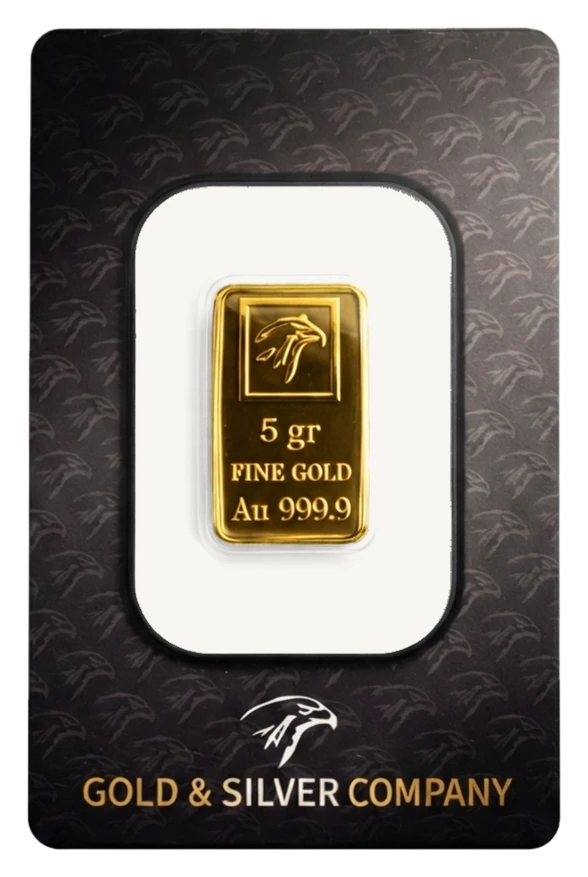
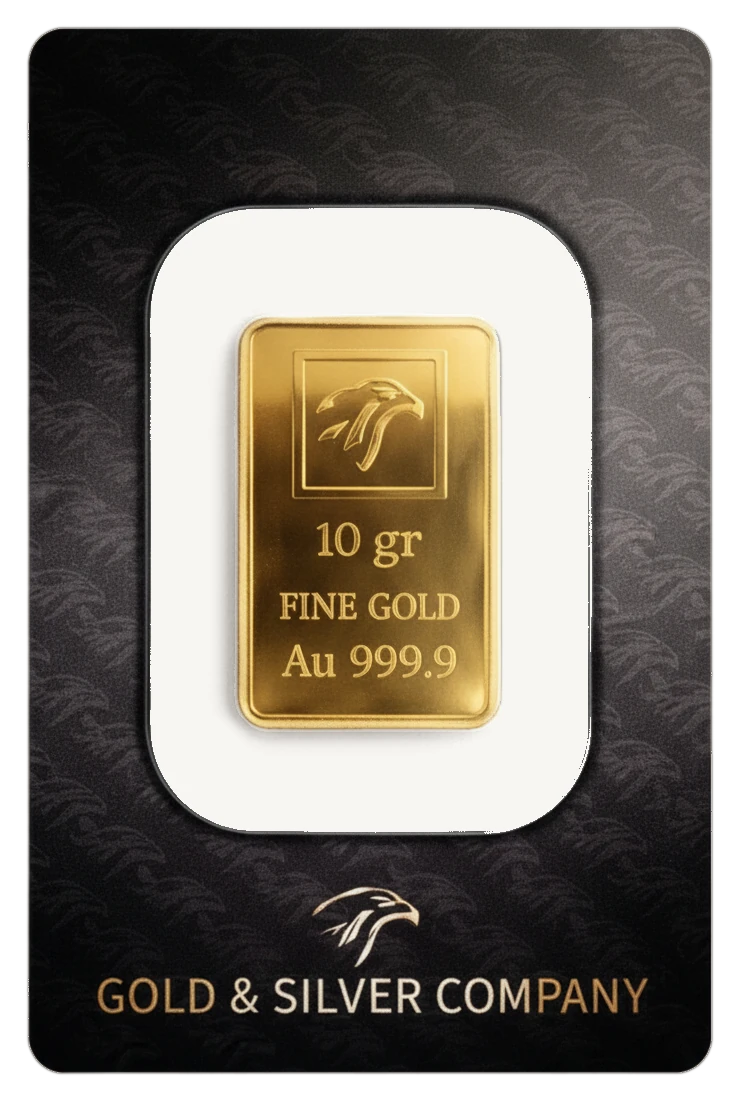
Up to 100 grams, the ingots are minted: cut from rolled metal, then marked under the press. Clean surfaces, sharp edges, a precise hallmark; each one is sealed in a blister. From 250 grams onwards, the ingots are cast: the liquid gold is poured into an ingot mould, and the surface keeps the trace of the fire, those light ripples that sign the foundry gesture.
Between the two, no hierarchy: the same fine gold Au 999.9, the same certification. The choice of process follows the weight, as everywhere in the precious metal industry: minting serves the precision of the small formats, casting serves the mass.
The eagle's head hallmark, and what it commits the house to
On every minted ingot: the house's eagle's head, the words FINE GOLD, the fineness Au 999.9 and the weight. The cast ingots add the GOLD & SILVER COMPANY mark and the words ESSAYERS REFINERS: assayers and refiners, the two crafts united under the same roof. The scroll sequence above shows them up close to the metal, without retouching.
A hallmark is not a decoration: it is a signature that binds the one who strikes it. The house is approved by the Royal Mint of Belgium and controlled by a state assayer; the fineness announced is verified by an authority that does not depend on it. Trust is not declared: it is documented.
Recycled European gold: the only origin that can be proven
The metal of the ingots comes essentially from European recycling: jewellery, coins and ingots brought to the agency by clients, melted, refined and put back into circulation. This short supply chain has a cost, and it exposes the house to stock shortages when collection slows down; it is also its proof: metal whose history begins at the counter has no opaque supply chain.
The origin of the metal, its traceability and what a recycled ingot is worth against an ingot of mined gold are detailed on the page Ethical gold. The house formula holds in one line: our stock is you; our certification is us.
Choosing a weight: what the gram and resale have to say
The smaller the ingot, the more the share of manufacturing costs weighs in its price per gram; the larger it is, the closer it comes to the pure market price. The 5 grams is a gateway into metal saving, the kilo its reference format for wealth. Between the two, many combine: several medium weights rather than a single large one, so as to resell in tranches, at the pace of one's needs.
Investment gold is exempt from VAT; the taxation of resale has rules of its own, set out on the page dedicated to the capital gains tax. To find one's bearings, the Gold price page gives the day's reference; to learn how to read an ingot, the Gold Guide takes everything from the beginning.
Buying, reselling, keeping: without leaving the building
Purchase takes place at the agency, or remotely by order sent by mail. The prices displayed are net: no commission, no fee is added to them, and cash payment remains possible up to 3,000 euros per person and per day, under the regulations in force.
The house buys back what it makes, and the rest: ingots of all origins and coins, analysed at the laboratory before any offer, as set out on the page Ingots and coins. For gold, resale takes place without appointment below the kilo, and by appointment from one kilo upwards.
Finally, what is bought here can stay here: the vault certified INCERT grade 3 rents safe deposit boxes by the year, and an ingot acquired at the counter can join it without leaving the building.
The minted collection
Five weights: 5, 10, 20, 50 and 100 grams
Fine gold Au 999.9, eagle's head hallmark
The cast ingots
Three weights: 250, 500 and 1,000 grams
The surface keeps the trace of the fire
Silver
Two silver ingots on the same short supply chain
Assayed and certified at the laboratory
The prices of each format, updated on the price page, are net of any commission; no amount is frozen here, the market price lives and the price page follows it.
- Eight weights of fine gold Au 999.9, from 5 grams to the kilo: five minted and sealed in blister, three cast in ingot moulds; two silver ingots, 1 and 5 kilos.
- Integrated manufacture in Dottignies (Mouscron): laboratory, spectrometry, melting, refining and shaping under the same roof.
- Recycled European gold in a short supply chain; approval of the Royal Mint of Belgium, control of a state assayer.
- Eagle's head hallmark, the words FINE GOLD, the fineness Au 999.9 struck into the metal; certification delivered with every ingot.
- Net prices without commission; purchase at the agency or remotely; cash up to 3,000 euros per person and per day, under the regulations.
- The house buys back what it makes; keeping possible in the vault, without leaving the building.
Questions about the ingots of the house
What is the difference between a minted ingot and a cast ingot?
A minted ingot is cut from rolled metal and then marked under the press; a cast ingot is born of liquid gold poured into an ingot mould, whose surface keeps the trace of the fire. At Gold & Silver Company, weights from 5 to 100 grams are minted and sealed in blister, weights from 250 to 1,000 grams are cast. In both cases, the metal is the same fine gold Au 999.9, assayed at the laboratory of Dottignies (Mouscron).
What do the inscriptions struck on a Gold & Silver Company ingot mean?
The eagle's head is the hallmark of the house; FINE GOLD states the nature of the metal; Au 999.9 gives its fineness; the weight completes the ingot's identity card. The cast ingots also carry the GOLD & SILVER COMPANY mark and the words ESSAYERS REFINERS, assayers and refiners. Each inscription corresponds to a control carried out in-house, under the approval of the Royal Mint of Belgium and the control of a state assayer.
What does a fineness of 999.9 thousandths mean?
A fineness of 999.9 thousandths means that 999.9 grams out of 1,000 are pure gold: this is fine gold, the equivalent of 24 carats and the international standard for investment gold. It is the fineness of all the house's gold ingots. It is not a label's promise: it is measured by spectrometry at the laboratory, on the metal itself.
Why are the small ingots sold in a sealed blister?
The sealed blister protects the surfaces and the hallmark from scratches and handling, from the laboratory to the client. It keeps the ingot identifiable at a glance, which simplifies its life as an object: keeping, transmission, resale. And if a doubt ever arises, blister or not, the laboratory settles it: the metal can be re-analysed at any time.
Where are Gold & Silver Company ingots made?
In Dottignies (Mouscron), Belgium, on the French-Belgian border, in the workshops of the Foundry-Refinery: analysis laboratory, spectrometry, melting, refining and shaping are united under the same roof. No step is entrusted to a third party. The story of this integrated chain, the first in Europe open directly to private individuals and professionals alike, can be read on the Foundry-Refinery page.
Which ingot weight should one choose to begin?
There is no right weight in the absolute, there is a logic: the smaller the ingot, the more the manufacturing share weighs in its price per gram; the larger it is, the closer it comes to the market price. The 5 grams opens metal saving to small budgets, the kilo serves established wealth, and a combination of medium weights makes it possible to resell in tranches. The team at the agency guides according to the project; the Gold Guide gives the bearings to decide with full knowledge of the facts.
Is a minted ingot worth more than a cast ingot?
At equal weight, no: the process creates no hierarchy of value, the fineness and the weight being identical. Within the house's range, the question does not even arise: the two families overlap on no weight, minting stopping at 100 grams where casting begins at 250. What makes the price per gram vary is the weight of the ingot, not the gesture that shaped it.
Does the house also make silver ingots?
Yes: two silver ingots, of 1 kilo and 5 kilos, feature in the range alongside gold. They follow the same circuit: melting, assaying and certification at the laboratory of Dottignies (Mouscron). Their daily prices appear on the Certified ingots page, together with those of gold.
Does the displayed price of an ingot include fees or a commission?
No. The prices shown are net: no commission, no file fee, no surcharge is added to the displayed amount, on purchase as on resale. The price announced is the amount paid; it is a rule of the house, not a promotion.
Can an ingot be bought remotely?
Yes: the order is placed by mail, at the price in force, and settled by bank transfer; cash payment, possible up to 3,000 euros per person and per day under the regulations, is made at the agency. The practical arrangements for handover are agreed with the team when the order is placed. The Contact page is enough to start the process.
Does Gold & Silver Company buy back the ingots it has made?
Yes, and without detours: the house buys back the ingots it has hallmarked, as it buys back ingots from other founders, after analysis at the laboratory. For gold, resale takes place without appointment below the kilo and by appointment from one kilo upwards. The course of a resale, ingots and coins alike, is detailed on the page Ingots and coins.
Can an ingot be verified years after purchase?
Yes, at any time: the laboratory that assayed the metal can re-analyse it by the same methods, spectrometry and densimetry, however much time has passed. That is the structural advantage of buying an ingot where it was made: the reference does not disappear, every manufacturing step being identified and recorded. The certificate accompanies the ingot, the laboratory does the rest.
Further reading
Buy an ingot today
Today's prices appear on the Certified ingots page; purchase takes place at the agency, without appointment, or remotely by order sent by mail. For a first visit or a broader project, the team also receives by appointment.
See today's prices Net prices. The price announced is the amount paid.